
Depending on how old you are, the challenges differ
PROVIDENCE — According to the World Health Association (WHO), ageism is defined as stereotypical behavior in how we think, prejudice in how we feel and discrimination in how we act. These are related usually to sex, race and disability. Ageism contributes to shortened lifespans; more stress and faster cognitive decline.
Most commonly ageism involves any type of prejudice due to age. Well-known examples may include making fun of older people in general, getting shut out of work opportunities, and not being included on meetings in which job-related items are discussed. Everyday expressions do the trick on a more covert level, such as saying that someone “looks great for his/her age” or is having a “senior moment” or is “too old to try something new.”
As if any of that is not bad enough, ageism is working its way down so that increasingly younger people are finding themselves victims. “At one time if you were 45 you were considered younger, but things have changed a lot very quickly,” says Matthew Tooker, founder and president of Next Chapter Resume Rewrites, based in Stonington, Conn. “And optics matter. A lot depends on how you present yourself. The words you use also have consequence.”

Entry-level roles that customarily were landed by twenty-somethings are now outsourced. “This is not necessarily age-related, but skills related. It’s a real challenge now. Nobody has the patience to invest in entry-level jobs and candidates for much time,” says Tooker. “They are going to onboard you immediately with little ramp time. Candidates should say something like ‘here’s what I can accomplish for you in 90 days based on my past.’ ”
Recruiters and hiring managers are especially risk adverse now. It’s different when they are going to hire a younger or older candidate. They may ask themselves: Is this candidate going to make my life better or worse. Are they going to be a culture fit? Can we afford them? And what if they are a ‘flight risk,’ likely to quit if they are not happy with the job?
Changing social mores also affect ageism within employment as well as personal and private lives at home for persons of any age. These can cause additional psychological distress such as anxiety, loneliness and depression.
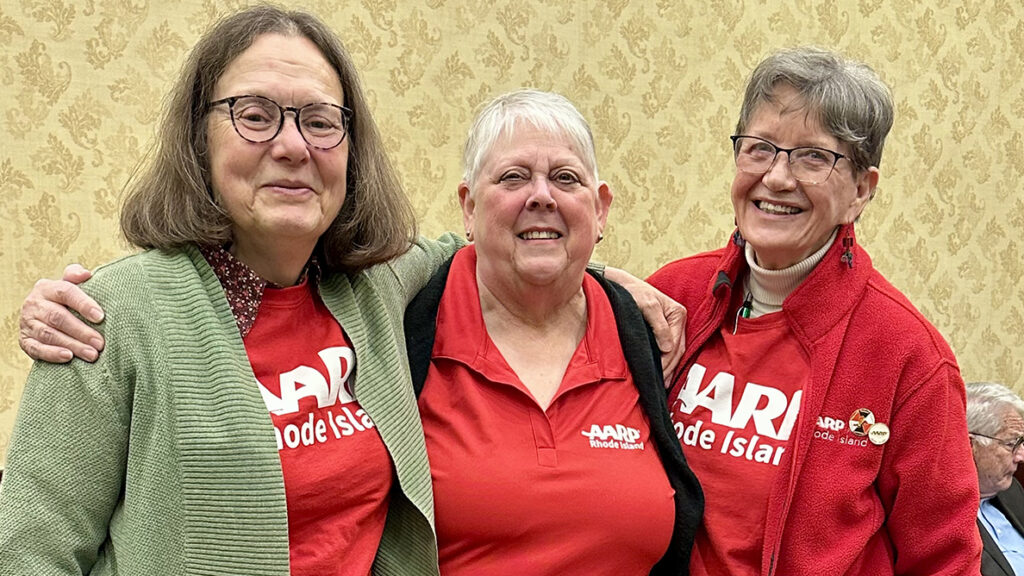
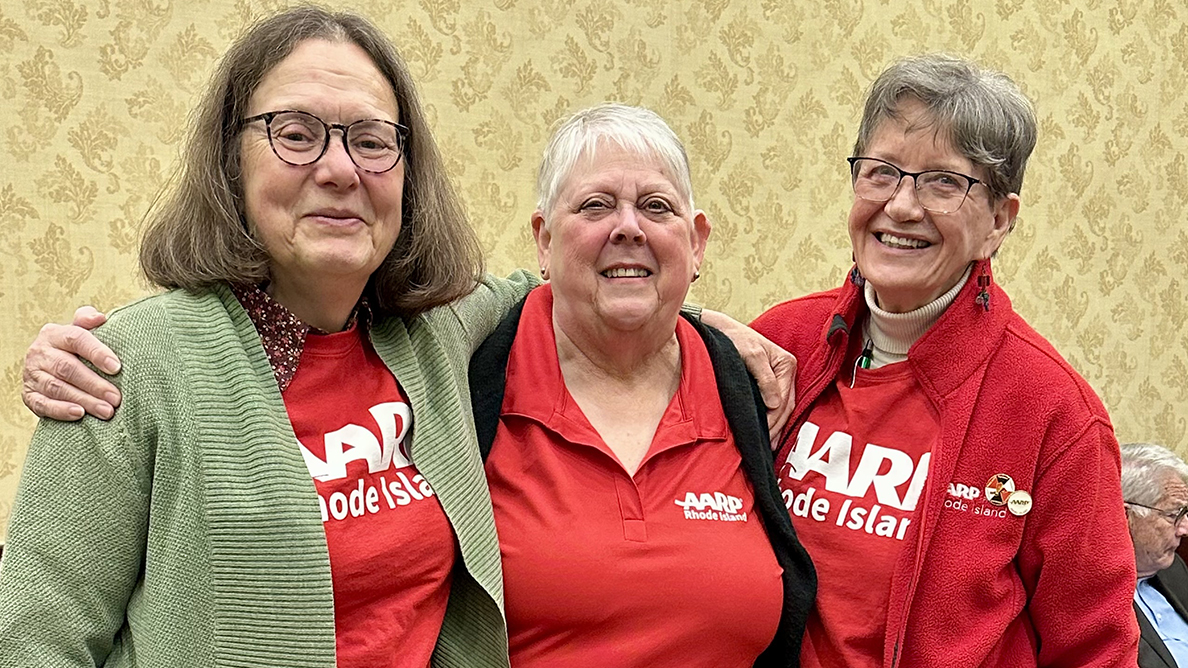
“Intergenerational households were very common a generation or two ago, but in our day kids couldn’t move out of their parents’ house fast enough,” says Catherine Taylor, AARP Rhode Island state director, a nonprofit, nonpartisan group that advocates for persons 50 and over.
“Now we are in a situation in which housing is so hard to find that young people stay living at home much longer,” according to Taylor, who notes that having the money to rent a first apartment is something completely out of reach for many young persons.
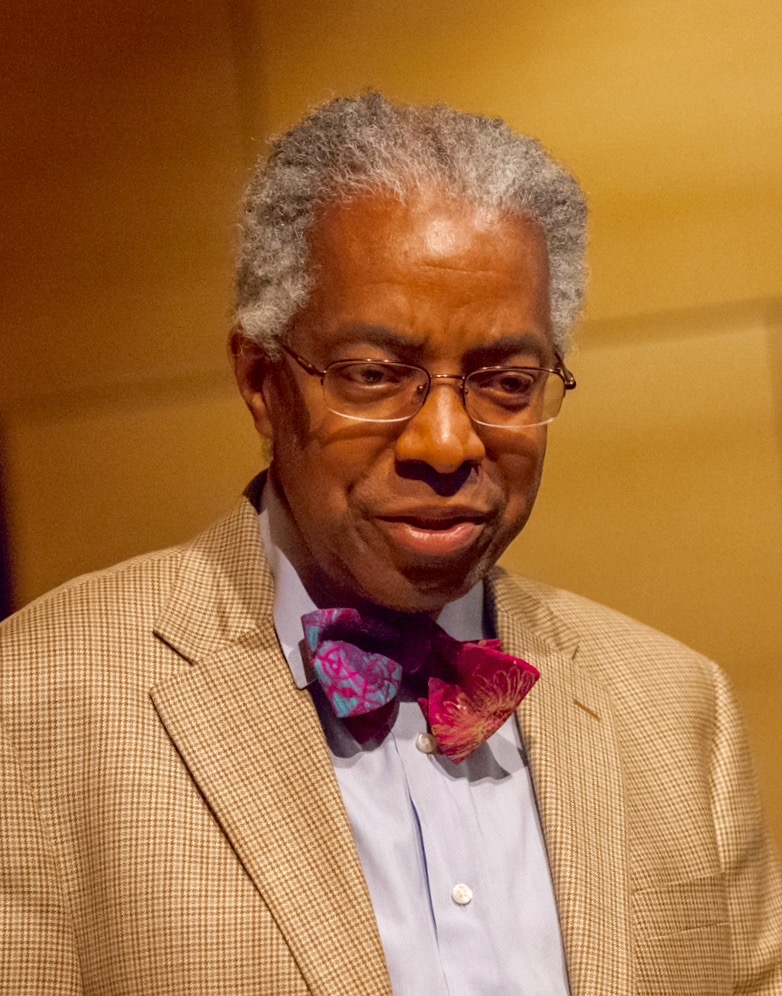
“You need money for old age,” says Ray Rickman, Executive Director Stages of Freedom and former Deputy Rhode Island Secretary of State.
“Not everyone gets to do things like spend the winter in Florida after they stop working,” says Rickman, an African American. “These folks need money to survive. And when your income drops after retirement, life becomes a shock when you get that smaller check.” Older African Americans have two disadvantages with respect to ageism: racism and age discrimination. Women also suffer a different type but equally difficult scenario: hunger, money and abandonment of their families by life partners.
The media sometimes helps in fostering a double standard. Older women report being ignored with their professional expertise questioned, most notably in youth and male-oriented industries such as technology. Advertising will portray older men as “distinguished” while older women bristle when some call them “Ma’am.” What was once considered a polite term can mean the opposite now, derisive and suggesting the woman is simply too old.
Men are not completely safe from ageism, with words such as “geezers” used publicly to define them at work and home. Dangerously implicit ageism includes the thoughts that often pass through the minds of many, and can become part of their thought process. In other words, the person is responsible for ageist behavior towards themselves without being completely aware of what they are doing nor that it will become part of their psyche in the long run.
According to a report in Forbes, early career women are most likely to suffer from ageism than other groups. Half of the women under thirty are more likely to say that their age is curtailing their opportunities. CNBC reports that Millennials and Gen Z suffer most from ageism. Cosmetic industries encourage young women to spend money on products designed to help conceal any sign of aging on a woman’s face. Curiously, many people who use Botox regularly look younger within 20 years of use. Such treatments are expensive but many think of them to compete in an increasingly youth-oriented workplace.
Rickman is concerned that many African Americans do not have wills and some are afraid that once they get one, they will die. “It’s silly for some of us, but others take it seriously as a cultural thing. It keeps their financial futures shaky,” he says. Rickman and others have urged the State Treasurer’s department to develop a program to make getting a will easier for many.
One of the worst issues faced by an aging population is the lack of money to purchase food. Steve Maciel, Founder of the 1 in 52 Hunger Network, has spent years battling food insecurity, especially among older persons.
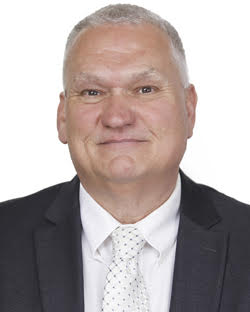
“Food insecurity should not exist in this land of plenty,” says Maciel. “We produce more food than we need!” According to Maciel, we throw away forty percent of the food we produce. “Rhode Island is a food insecure state. I have put out a call to action to end that. There are ways to make it happen. And why isn’t that happening? Because in my opinion the political will is not there to make it happen.”
Food insecurity means people don’t have enough to eat and don’t know where their next meal is coming from, according to Feeding America, which describes itself as “the nation’s largest domestic hunger-relief organization. Thanks to donations and support from businesses, government organizations, and individuals like you, the Feeding America network of food banks, pantries, and meal programs serves virtually every community in the United States.”
According to Maciel, “the system is messed up. Hunger affects older people, young people, minorities, the downtrodden. These people go without meals, go without new clothes, endure the pain of hunger itself.”
The Rhode Island Community Food Bank finds that 38% of residents are food insecure and low-income Rhode Islanders miss over 42 million meals every year.
Maciel tells an old story in which a poor man attempts to eat by setting up a cauldron of water over a fire. It is filled with a few rocks. Soon, the neighbors come around realizing that the man needs ingredients for the Stone Soup. They bring in a little of this and a little of that until a hearty meal is available all who are there.
Maciel believes we can do a variation of Stone Soup in our communities, especially for seniors.
“I encourage markets to put aside their nearly expired foods in a section of the market called Stone Soup. It would allow people who need it to take some of the ingredients and sell them at reduced rates or given away,” he says.
Housing is another major issue for not just seniors but people of all ages. Many families no longer live under the same roof, and this leaves many marginalized or worse, living on the streets.
This is one of the many reasons why AARP has advocated to make it easier for families to build an Accessory Dwelling Unit (ADU). Further, the cost of caring for a family member is a top issue. “On average, these families spend an average of $7000 a year out of their own pocket to care for someone in their family,” according to Taylor.
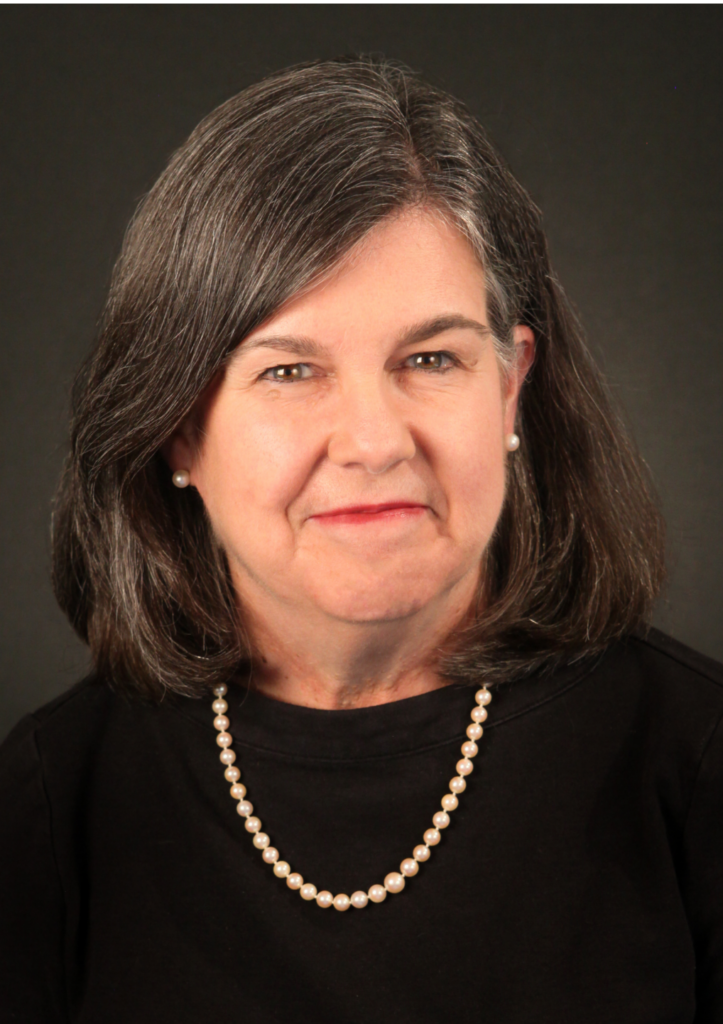
Taylor says that awareness of our own aging hopefully makes individuals and families work out systems to allow full independence and autonomy: “Aging is not something we traditionally look forward to, we don’t think about it as much as we should. But we need to do that and be more social, do more outside of the house with expanded circles.”
Says Rickman, “older citizens need to open up their social circles and not just rely on folks they have known for years. If you keep your group of friends open, your life stays more open.”
Tooker adds: “Younger employees have an eagerness to get a job but are not sometimes don’t want to put in the time. A good mix of older and younger employees works out for everyone. Some have been there, got the t-shirt while others look to experienced sources on the sales floor. “This mix is good for young persons who need mentors and older ones with a wealth of experience.”
Changing your tune or way of thinking can be helpful to those who want their golden years to shine. “I think what you do when you are no longer young is to find the things that you can do to enhance your life, says Rickman.
Older persons need to communicate their needs clearly and respectfully, especially in health care issues, experts says. They are encouraged to get a second opinion if the first one does not suit them or take care of their immediate needs. This is when family, friends or relatives can play an important role.
Families are encouraged not to use “elder speak” (the older equivalent of baby talk) when dealing with their more experienced family members. They can prevent the patient from being told that certain things are a “normal” part of aging such as ignoring pain or cognitive changes but instead work to improve the person’s life.
A study by the American Society on Aging found that older individuals with positive self-perceptions live 7.5 years longer than those who do not. Older adults are rarely included in clinical trials and get less preventative care.
The National Council on Aging says that the population of senior citizens projects growth of up to 80 million persons by 2040. Approximately 6.4 million people are 85 and over, some 2 percent of the entire population. As many as 30% of Americans are projected to live to 90 years of age.
Our expectations of aging have not caught up with the reality of aging,” says Herb Weiss, publisher of Age Beat, a column for Seniors and boomers in local newspapers. Older adults are living longer, staying engaged and adapting to new technologies.
“People need to pay attention. When something feels off, they need to look for patterns. Workers should learn policies and raise concerns when possible. Ageism is not limited to blunt remarks, it’s embedded in assumption, decisions and systems. And when you are pushed against the wall, contact equal employment opportunity and get timelines so you can document discrimination.”
AARP Rhode Island has an official network of cities and towns that municipalities can join to make connections from all ages. Eight Rhode Island communities are part of that network.
From AARP Rhode Island, steps to take for workers to combat ageism include:
- Talk with your supervisor
- Keep a log
- File a complaint with the company
- Get a lawyer
- Submit an inquiry to the EEOC
- Consider mediation
- Support age discrimination legislation
“We are trying to provide for a population that is anywhere from eight to 80,” says Taylor. “Rhode Island is an aging state, but people are comfortable living here. This is home not just to them but to the rest of us. These are people who took care of us when we were younger and now deserve the loving care they bestowed on us.”