
The key to New Bedford’s cultural heritage lies below the wrack line.
This story was originally published in The New Bedford Light, a publication partner of Ocean State Stories.
NEW BEDFORD — Over the years, New Bedford’s maritime history has invited many mascots. Whales, scallops, even seagulls have all earned their keep as the city’s ambassadors, whether they’re painted on the walls of cold-storage warehouses or emblazoned on postcards and T-shirts.
But after living in the Whaling City, one researcher argues that seaweed is also deeply entwined with New Bedford life.
In a recent paper, University of Vermont senior lecturer and linguist Diana Popa writes that seaweed in all its forms — whether it’s long, lean kelp or furry algae — has been crucial to sailors, whalers, and fishermen, not to mention the landlubbers that kept the city running while they were away.
“Seaweed is not just part of the environment, especially in this particular place, but it’s part of New Bedford’s cultural heritage,” Popa told The Light. “It pretty much shaped how people lived, worked, and made meaning.”
Popa immigrated to New Bedford from Romania in 2013 after taking a job at the University of Rhode Island. She lived there for a year, drawn to the Whaling City after reading Herman Melville’s “Moby-Dick” as a child.

“It was like an ‘aha!’ moment,” Popa said of stepping foot on downtown’s cobblestones for the first time. “When you come to see the place, feel the place — it just feels like a dream come true.”
Popa spent her evenings and weekends walking around Buttonwood Park. One day she found a mysterious symbol on an old historic city seal near the park’s entrance. (That version of the seal has since been lost to time, she said.)
“I looked into it, and it turned out it was seaweed,” Popa said.
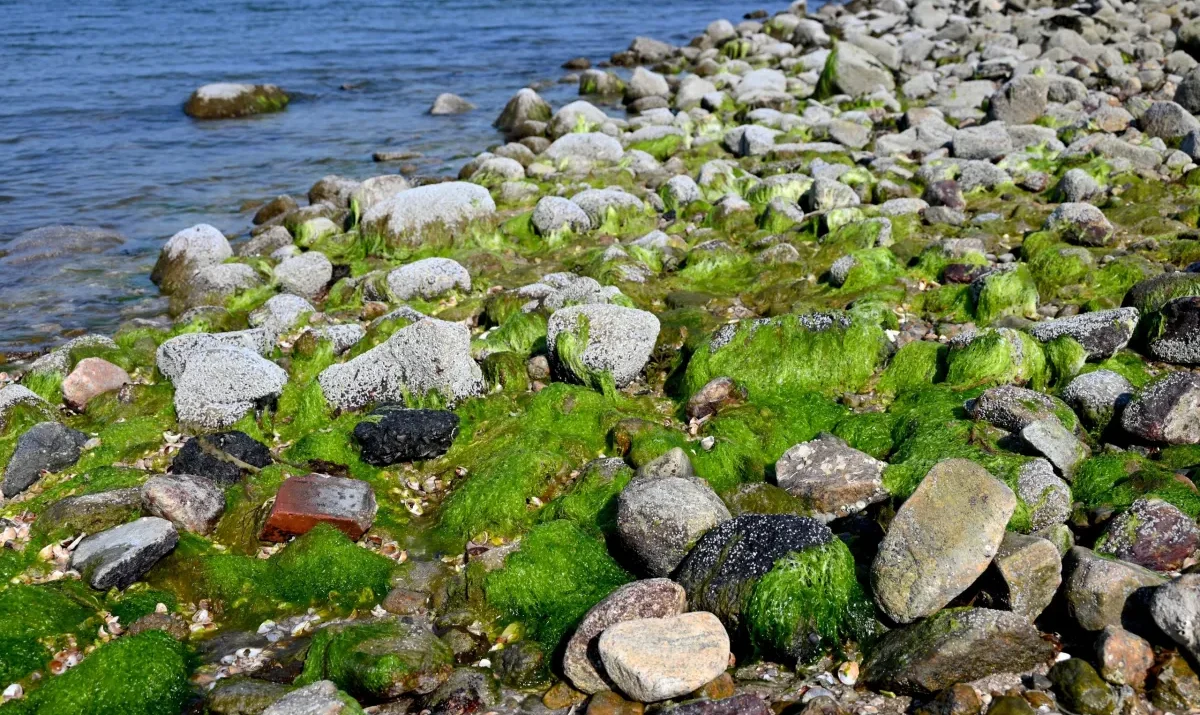
Seaweed became a regular feature in Popa’s everyday life in New Bedford. It checkered the wrack lines of East Beach and Clark’s Cove and clung to the dock pilings near Merrill’s Wharf. But it was her discovery in Buttonwood Park that prompted Popa to look deeper into seaweed’s role in shaping New Bedford’s maritime history.
Nearly a decade later, while working at the University of Vermont, Popa decided to return to the Whaling City for her next publication. She dove into the New Bedford Whaling Museum and Fishing Heritage Center archives, spending hours poring over documents, paintings, and ledger books. Through these first-person materials, she gleaned how seaweed impacted New Bedford residents’ daily lives.
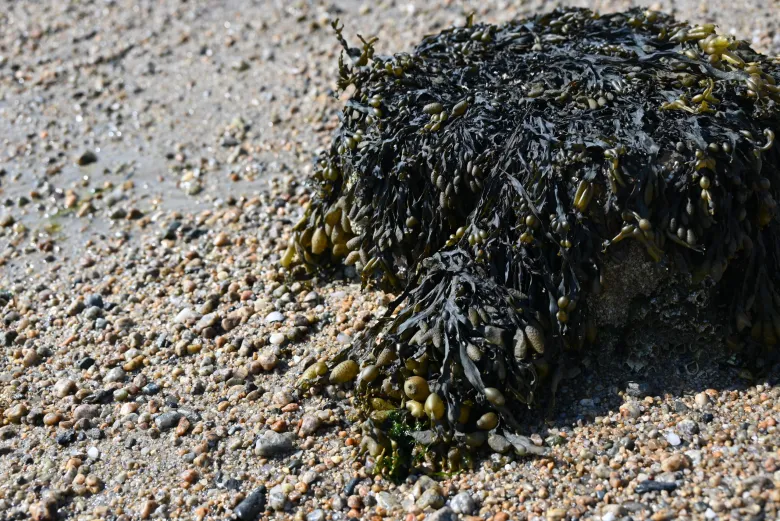
For sailors, the presence of seaweed could help inform them of sea and storm conditions miles away. Because seaweed naturally absorbs atmospheric humidity, the sight of damp seaweed could signal oncoming rain.
In the 19th century, women collected, dried, and mounted seaweed, labeling each specimen with its taxonomy, date found, and location. “These pressed specimens,” Popa writes, “were not only works of visual care but also embodied ecological attentiveness.”
During whaling times, seaweed was used as insulation between barrels of whale oil.
“Seaweed was not only collected; it was read as signal, residue, and resource, marking both the storm’s aftermath and the beginning of clambake season,” Popa writes in her article.
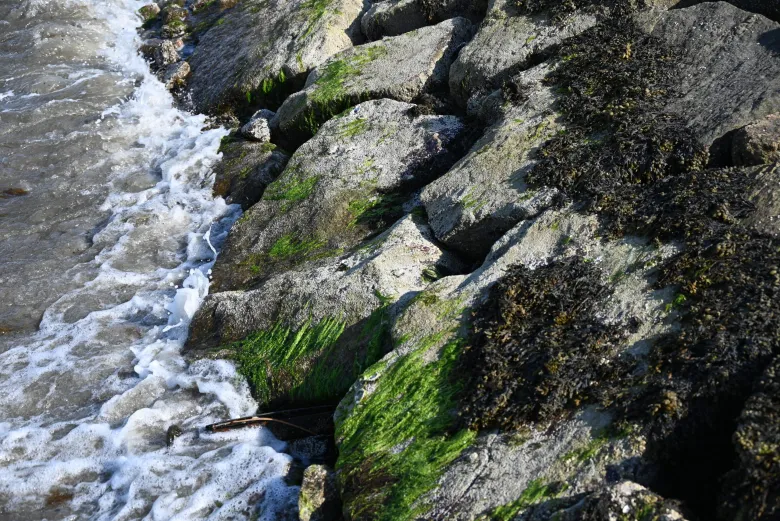
Visiting New Bedford, Popa noticed the same: from the Whaling Museum’s own seaweed exhibit to sea moss soaps for sale in shops.
Popa says New Bedford does a “fantastic” job of connecting its physical environment to its history.
Email Brooke Kushwaha at bkushwaha@newbedfordlight.org.