“Aging isn’t just an issue for older adults. If you have an older parent, spouse, grandparent, neighbor or friend you care about – or hope to get older yourself — then the work AARP does probably touches your life too.”
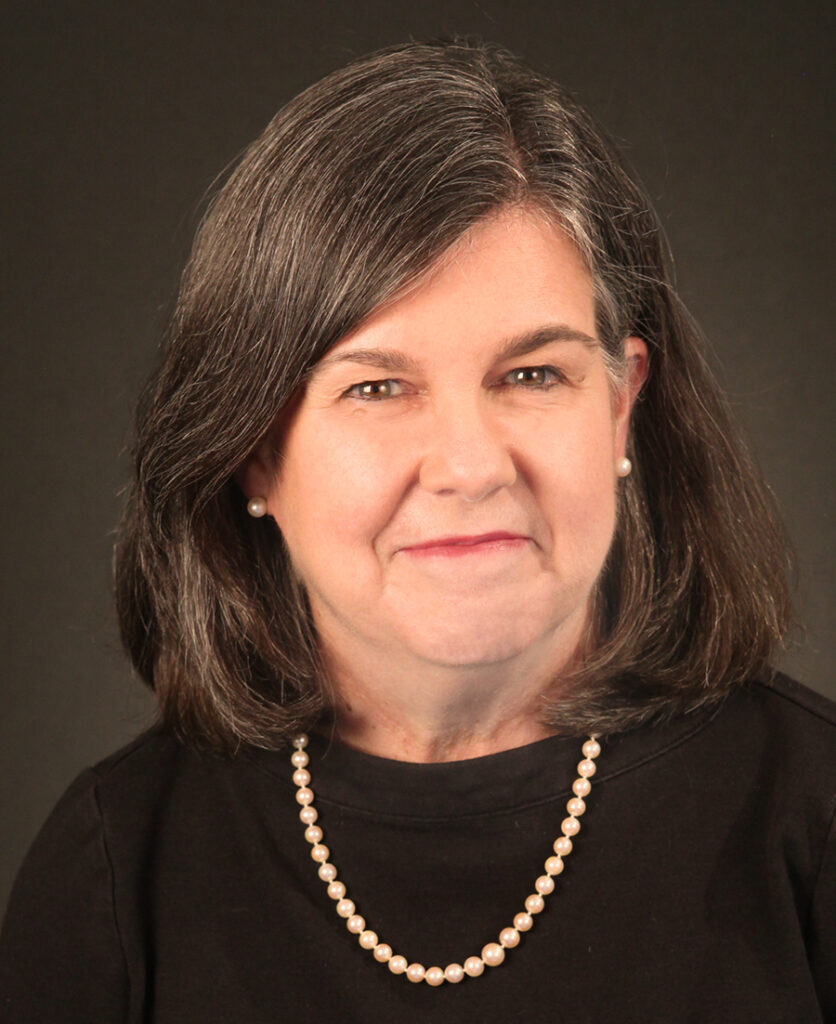
Thanks, Catherine, for agreeing to catch our readers up on you and AARP Rhode Island. Let’s start with AARP Rhode Island. Can you please give us an overview of what your organization offers people?
Most people know AARP for discounts, but in Rhode Island we’re really in the business of helping people navigate the opportunities and challenges that come with aging. Whether someone is caring for an aging parent, trying to stay in their home, worried about retirement security, or simply looking for ways to stay connected to their community, we’re there with information, advocacy and practical support.
We work at the federal, state and local levels on issues that affect people’s everyday lives—health care, family caregiving, housing, transportation, fraud prevention, financial security and livable communities. We also offer educational programs, volunteer opportunities and community events that help Rhode Islanders stay informed, engaged and connected.
One thing I often tell people is that aging isn’t just an issue for older adults. If you have an older parent, spouse, grandparent, neighbor or friend you care about – or hope to get older yourself — then the work AARP does probably touches your life too.
Let’s zero in on a few specifics. According to an AARP report last year, “23% of adults in Rhode Island — approximately 206,000 people — are family caregivers, providing largely unpaid and unsupported care to older parents, spouses, and other loved ones.” Please expand.
Family caregivers are the invisible workforce holding our long-term care system together. They are daughters driving parents to medical appointments, spouses managing medications, adult children coordinating care from miles away, and neighbors checking in on someone who lives alone.
Most people don’t think of themselves as caregivers. They’re simply doing what needs to be done for someone they love.
Yet nearly one in four Rhode Island adults is providing care, often while juggling a job, raising a family and managing their own health. On average, caregivers spend thousands of dollars out of their own pockets each year to support a loved one.
When that many people are providing unpaid care, it’s no longer just a family issue—it’s a public policy issue. That’s why AARP Rhode Island is focused on helping caregivers save time, save money and get the support they need through better access to respite care, workplace flexibility, training, information and financial relief.
— Now, health.
Health is about much more than doctor’s visits and prescriptions. It’s about whether people can remain independent, stay socially connected, afford the care they need and continue living in the community they love.
For older Rhode Islanders, health is often shaped by factors such as affordable housing, reliable transportation and access to support services. AARP advocates for lower prescription drug costs, stronger home- and community-based care, and policies that help people remain independent for as long as possible.
At the end of the day, most people want the same thing—to age with dignity, choice and a sense of security. That’s what we’re working toward.
— Advocacy.
Advocacy is one of the most important things AARP does.
We are nonpartisan, but we’re never neutral on issues that affect older adults and their families. We work with elected officials, community partners and volunteers from across the political spectrum to advance practical solutions to real-world challenges.
This year, we helped make progress on issues such as Social Security tax relief, public transportation funding, utility affordability, deed fraud protections, livable communities and expanded access to home-based foot care.
Those may sound like policy issues, but they’re really quality-of-life issues. They’re about whether someone can afford to stay in Rhode Island, get to a doctor’s appointment, remain in their home and maintain their independence.
— Medicare.
For many Rhode Islanders, Medicare is one of the most important benefits they’ve earned. It’s a cornerstone of both health and financial security.
Unfortunately, Medicare can also be confusing. There are enrollment deadlines, coverage decisions and a tremendous amount of information to sort through. AARP helps people cut through that complexity by providing trusted information and helping them understand their options.
We also advocate for policies that protect Medicare beneficiaries and help make health care and prescription drugs more affordable.
For many families, Medicare is more than an insurance program. It’s peace of mind.
— And Social Security.
Social Security is the foundation of retirement security for many Rhode Islanders.
People earn those payments one paycheck at a time over a lifetime of work, and they should be able to count on them.
That’s why eliminating Rhode Island’s state tax on Social Security has been one of AARP Rhode Island’s top priorities. The 2027 state budget expands relief to thousands of additional retirees, helping many older adults keep more of the income they’ve earned.
But our work isn’t finished. We will continue advocating for full elimination of the tax so Rhode Island is an even better place to grow older. And AARP will never stop fighting at the federal level to ensure Social Security remains strong—not just for today’s retirees, but for future generations as well.
You are a columnist for several publications, including Rhode Island Current, one of our online partners. Why is it important to reach readers that way?
Columns and commentary allow us to meet people where they are.
Not everyone is going to attend an AARP event or visit our website, but many Rhode Islanders still turn to trusted local news sources for information and insight on issues affecting their lives.
Writing gives me an opportunity to explain complex topics in plain language and connect them to real people and real communities. Whether I’m writing about caregiving, fraud prevention, housing or retirement security, my goal is always the same: help readers understand why an issue matters and what can be done about it.
Facts are important, but stories are powerful. People remember how public policy affects their families and neighbors.
How many Rhode Islanders belong to AARP Rhode Island?
AARP Rhode Island represents and serves more than 125,000 members across the state, making us one of the largest membership organizations in Rhode Island.
But our impact extends beyond membership. Through our advocacy, educational programs, community events and volunteer work, we touch the lives of many more Rhode Islanders who may never carry an AARP membership card but benefit from the work we do.
Who can join — and how?
Although our mission focuses on people age 50 and older, anyone age 18 or older can join AARP. Membership also includes a free membership for another adult in the household.
People can join online through AARP.org, by phone or by mail. What I always remind people, however, is that you don’t have to be a member to benefit from much of what we do. Many of our events are open to the public, our advocacy benefits all Rhode Islanders and many of our educational resources are available to everyone.
I encourage people to connect with us in the community, attend an event and experience firsthand the value AARP brings to Rhode Islanders of all ages. For local events and information, visit AARP Rhode Island’s events page at aarp.org/rievents.
OK, let’s learn about your background. You’ve quite a career! Where did you grow up and what schools did you attend?
I grew up next door in Connecticut and attended Yale, but Rhode Island has really been my professional home for most of my career.
I’ve been fortunate to work in public service, higher education and the nonprofit sector, including serving in Washington, D.C., for Senator John Chafee and Senator Lincoln Chafee before returning home to New England.
What has remained constant throughout my career is a commitment to helping people participate fully in community life and ensuring that older adults, caregivers and people with disabilities are seen, heard, valued and supported.
Every family eventually faces issues related to aging, caregiving or retirement. Helping people navigate those challenges has been the common thread that has connected all of my work.
You were the head of Age-Friendly RI, an initiative of Rhode Island College. Tell us about that.
Age-Friendly Rhode Island brings together community organizations, health care providers, businesses, government agencies, academic institutions, advocates and residents to make Rhode Island a better place to grow older.
During the pandemic, when I led that work, it became especially urgent. We focused on reducing social isolation, helping people stay connected and creating new ways for older adults to remain engaged in their communities despite extraordinary circumstances.
What I love about the age-friendly movement is that it recognizes that communities designed to support older adults are better places for everyone. Safe walkable neighborhoods, accessible housing, transportation options and opportunities for social connection benefit people of all ages.
I’m especially proud that ten Rhode Island communities have joined the AARP Network of Age-Friendly States and Communities, with many others doing exciting work to become even better places to live, work and age.
You also had a leadership role at the George & Anne Ryan Institute for Neuroscience and the Rhode Island Geriatric Education Center at the University of Rhode Island. Details please.
At both organizations at URI, my work focused on aging, dementia, geriatric education, workforce development and community partnerships.
That experience reinforced something I’ve come to believe very strongly: aging is not simply a health care issue. It’s a workforce issue, a housing issue, a caregiving issue and a community issue.
Preparing families, professionals and communities for the realities of an aging population benefits everyone. The more training we provide health care professionals and the more that families plan ahead, the better outcomes we can create for older Rhode Islanders.
And you are a former head of the Rhode Island Division of Elderly Affairs. Again, details.
As director of the Rhode Island Division of Elderly Affairs, now known as the Office of Healthy Aging, I led the state agency responsible for serving older adults, adults with disabilities and family caregivers.
The agency administers programs funded through the Older Americans Act that help people remain healthy, safe, independent and connected to their communities.
What I learned there is that many issues people associate with aging are really issues of independence and economic security. Whether someone needs transportation, meals, caregiver support or assistance navigating services, those supports can make the difference between thriving and struggling.
The experience gave me an even deeper appreciation for the importance of responsive, respectful systems that are easy for people to understand and access when they need help the most.