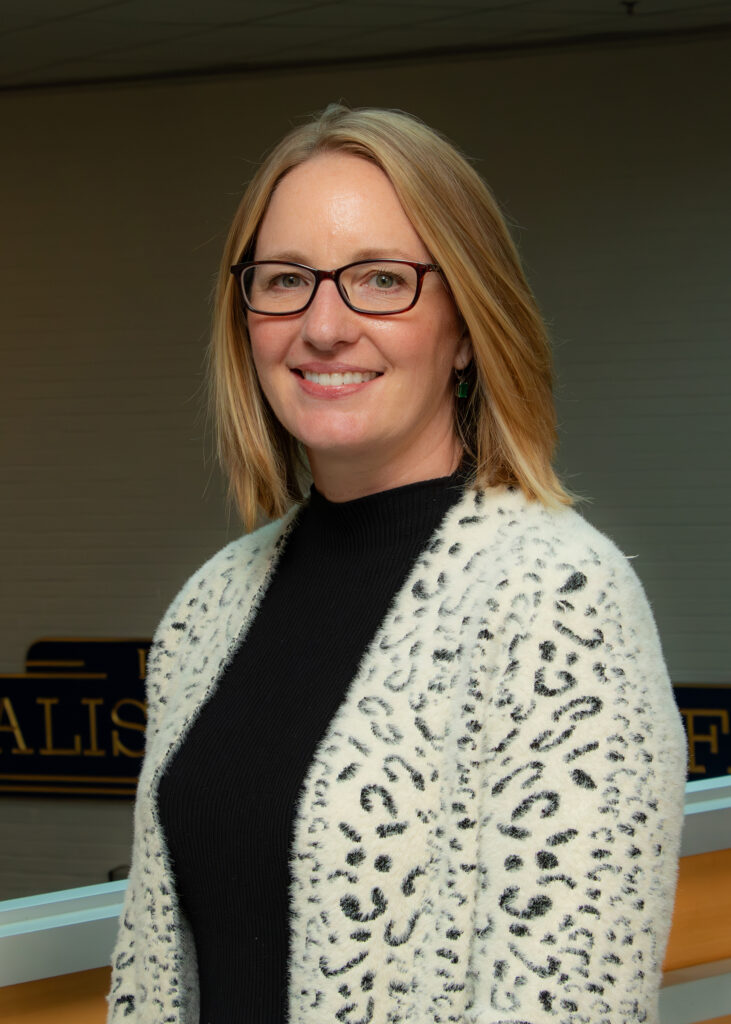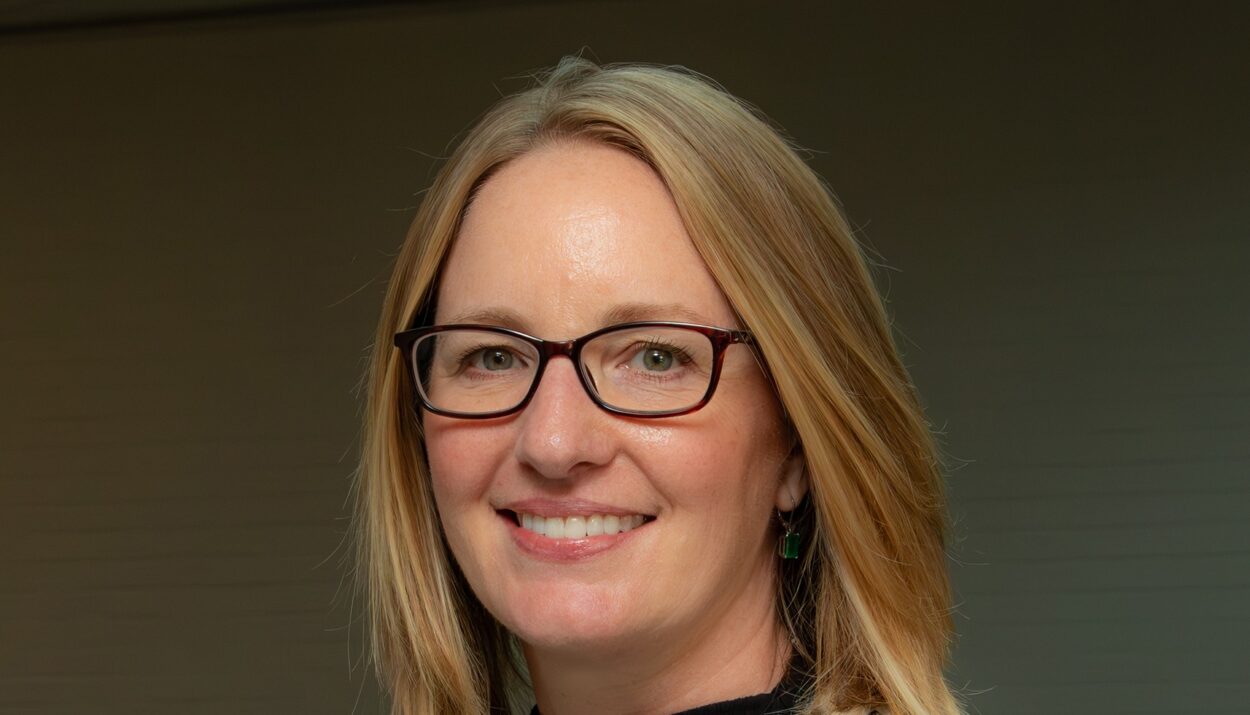

Dean Danielle Dennis, literacy researcher, says campaigns for library censorship have consequences for society
A press release issued by the University of Rhode Island. Used with URI’s permission.
KINGSTON, R.I. – Oct. 5, 2026 – The impacts of book banning have disturbing consequences, according to Danielle Dennis, dean of the University of Rhode Island Feinstein College of Education. A professor of literacy, teacher education and policy, Dennis has taught across ages and levels throughout the U.S. and abroad. She is president of the International Literacy Association’s board of directors and an advocate for literacy as a fundamental human right.
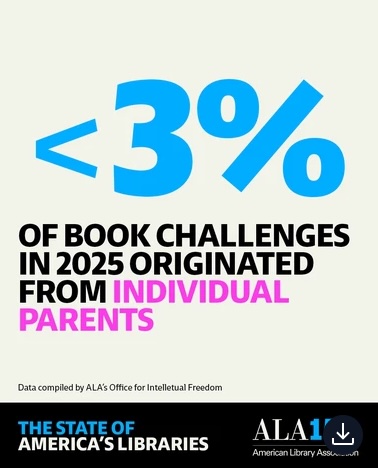
For this year’s Banned Books Week (Oct. 4-9), she cites statistics shared by the American Library Association on attempts to censor books and materials in public, school, and academic libraries in 2025. ALA’s Office for Intellectual Freedom tracked 4,235 unique titles challenged — the second highest ever documented. Ninety-two percent of all book challenges last year were initiated by pressure groups, government officials and decision makers, up from 72% in 2024. Less than 3% of challenges originated from individual parents. While school libraries often face attempts to censor voluntary reading material, public libraries continued to experience more overall censorship attempts than other location types.
Last year’s top banned books include a range of well-known titles, such as “The Perks of Being a Wallflower” and “A Court of Thorns and Roses,” as well as “A Clockwork Orange,” published in 1962.
“The irony of challenging ‘A Clockwork Orange’ is palpable,” said Dennis. “The book is a warning against totalitarian governments and recently it has been challenged largely by state governments, rather than individuals.”
She notes that it has been challenged for decades, largely due to the cinematic interpretation of the book, although it is not regularly included in curricula at the high school level.
Old or new, Dennis says that book banning is happening in all regions of the country, as pressure groups are coordinating efforts to challenge books and notes that some states are more prone to pursuing the challenges.
Rhode Island passed the Freedom to Read Act in 2025 to safeguard the professional judgement of librarians showing a commitment to keeping books on shelves and preserving the work of the experts responsible for curating them.
As a literacy expert, Dennis says that keeping that power to put books into the hands of young readers is key, with reading volume one of the most powerful predictors of educational achievement.
“Reading is a cornerstone of cognitive development, academic success, and lifelong learning,” Dennis said. “When reading volume declines due to restricted access, the consequences ripple across a child’s academic life.”
She says that community members can help by voicing support for policies that protect students’ rights to access diverse literature and oppose censorship; ensure that book collections reflect a wide range of voices; allow students to select their own books; collaborate with libraries to expand access; and help create a culture of reading at and outside of home.
“Reading volume is a critical driver of academic achievement, personal growth, and lifelong learning,” Dennis said. “When children read widely and often, they build the skills and knowledge they need to succeed in school and beyond. We must protect children’s right to read — and to read freely.”
She answers questions on book banning to kick off Banned Books Week.
What advice would you give parents looking to do the right thing with their children, encouraging reading while also being careful what their children are exposed to?
Read books with your children and have open, honest conversations about the content. Understand that not every book is appropriate for children at all age levels, but there is a difference between the act of censorship and making a choice for your child. Let’s take the book “Sold” by Patricia McCormick, as an example, since it was the most challenged book in 2025 according to ALA. Sold addresses the difficult topic of child trafficking, and does so graphically at times. While it is fiction, it is based on extensive research into real accounts of child trafficking. Banning this book does more harm than good because young adults may not understand the prevalence and violence of child trafficking around the globe. We can’t change what we don’t understand. I understand why the parents of young adolescents may not feel their children are ready to engage with such a difficult topic, while others may believe that their teen is capable of thinking critically about it. These decisions are important for each family and those open, honest conversations about those decisions can lead to greater understanding.
What are the stats you are most concerned about in terms of book banning?
There is a misconception that these bans are grassroots parental concerns when in fact there are what ALA refers to as “pressure groups” and government officials making these decisions. These organized campaigns make up 92% of the titles targeted for censorship. Our libraries — both school and public — are places where readers should be free to explore and learn more about the world around them, yet 88% of all challenges occur in these spaces, limiting access to important materials.
What do the top banned books have in common and how does their banning impact students?
I am concerned about book banning’s impact on our democracy, which impacts children of all ages and backgrounds. Having been a middle school teacher, I also worry about the impact of banning books about LGBTQ+ people and people of color for young adolescents already struggling with their identity and who they are becoming. I worry, and the research shows, that the less often they see themselves in books, the less likely they will feel they belong in society.
Challenged books are often written about and/or for LGBTQ+ people and people of color. Whether challenged out of fear or bigotry, removing these books from library shelves means that children, adolescents, and adults have access to fewer books with characters, authors, and experiences they can relate to, which can make them feel isolated and marginalized.
How can parents and community members support schools or help at the community level?
Book banning is censorship and censorship damages our democracy, stifles diverse viewpoints, runs counter to building empathetic children and youth, and can lead to polarization. So, it is not about one title being challenged, it is about the kind of society we want to build and want our children to live in. I encourage parents and community members who are concerned about increasing book challenges to focus more on the greater societal impacts so that we can reconsider the trend, rather than save one title.
Do you personally have a favorite banned book?
When thinking about banned, or widely challenged, books. I often focus on children’s picture books. Two that come to mind are: “I Want My Hat Back” by Jon Klassen and “Julian is a Mermaid” by Jessica Love. Both are books I have read with young children and both are books that they absolutely love! When you see the delight of reading these books in the faces of children, you realize the absurdity of challenging them.